


On his last day, he knew. For seventy long days, a brown-eyed shelter dog had sat behind the bars of a kennel, day after day watching families pass him by. Each morning, he wagged his tail with hope, convinced today might be the day someone would choose him. Each night, he curled up alone on the cold, concrete floor, the dim light of the shelter casting shadows across his fur. He listened to the excited barks of dogs who had been adopted and the quiet whimpers of those who, like him, remained. He had learned the patterns of the humans: the families who peeked in, sometimes scratching a head or offering a treat, but ultimately walking away
The staff knew the truth. If no one adopted him, his time would end. Day seventy was the deadline, a number that carried a weight heavier than the iron bars of the kennel itself. They tried to prepare themselves emotionally; they had seen this too many times before. But for this dog, they had grown attached. There was something different about him—a spark, a gentleness, a silent courage that made even the most jaded shelter worker pause.
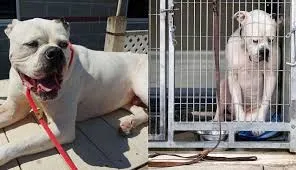
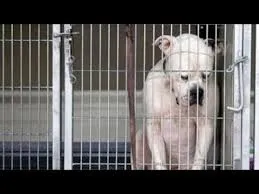
That morning, something was different. The cheerful spark in his eyes was gone. He didn’t bark when the volunteers arrived. He didn’t press his nose to the gate, seeking the familiar human touch or treat. He lay quietly, almost resigned, as if he understood what the day meant. His body seemed smaller somehow, weighed down by weeks of disappointment. The staff watched him with heavy hearts, whispering reassurances that no words could truly provide. “Stay strong,” they said softly. “Someone will come.” But they knew, as did he, that the clock was ticking.
All day, people walked past the kennel, laughing, pointing, excited to meet the dogs who leapt and barked to get attention. But he remained still, his brown eyes scanning the floor, reflecting both sadness and a quiet dignity. Volunteers placed his food and water nearby, but he barely noticed. This was not his first heartbreak, and he had learned that hope could be painful. It was clear: he was ready to accept whatever came next, even if it meant the end.
Just before closing, a couple walked in. They had come late, almost by accident, with only a few minutes to look at the dogs before the shelter locked its doors. They meandered past the kennels, noticing the playful ones, the loud ones, the tiny puppies who barked and jumped in excitement. And then they saw him. He was lying silently, unlike all the other dogs. There was no movement, no bark, no wagging tail. Just stillness. His brown eyes met theirs, lifting slightly as if acknowledging their presence but offering no pretense, no desperation.
In that single glance, something extraordinary happened. They felt it—the connection, the invisible thread that binds humans to animals in ways that words cannot capture. This wasn’t just a dog. This was family. Every hardship, every quiet day behind bars, every look of quiet sadness had led to this moment. They knelt beside his kennel, speaking softly, letting their voices fill the small space with calm reassurance.
He hesitated only briefly, as if testing them, reading their intentions. Then, slowly, he approached the gate, nudging it gently with his nose, trusting that these humans were different. When the papers were signed, when the leash was clipped to his collar, he walked out of the shelter—not in a bag, not carried, but on his own two feet, proud and aware of his new beginning.
Outside, the sun shone on his fur, and the grass beneath his paws felt foreign yet magical after weeks on the cold, concrete floor. His tail wagged tentatively at first, then more confidently. He sniffed the air, took in the sounds of birds, and realized the world could be a place of joy. For the first time in seventy days, he felt safe, loved, and wanted.
The couple, now his family, marveled at the calmness in his demeanor, the way he seemed to carry all the lessons of survival in his brown eyes. He didn’t need to perform tricks or seek attention; his presence alone spoke volumes. They walked home slowly, giving him time to adjust, letting him lead the way, allowing him to understand that he would never again be left behind
That night, he curled up on a soft blanket in a home filled with warmth, his new humans gently stroking him as he drifted into sleep. No bars, no concrete floor, no ticking clock. Just love, safety, and the gentle hum of a household that promised him he would never be alone again.
His story became a quiet legend at the shelter. Volunteers shared it with each new visitor: a story of patience, resilience, and the idea that sometimes the most overlooked souls are the ones who leave the biggest impact on our hearts. He was a reminder that hope, even after disappointment, can be rewarded in the most unexpected ways.
And so, the brown-eyed dog who had spent seventy long days watching the world pass him by finally found his forever home. He had endured, waited, and silently hoped. Now, he was free to live a life filled with love, comfort, and family—a life he had dreamed of, one pawstep at a time.
