


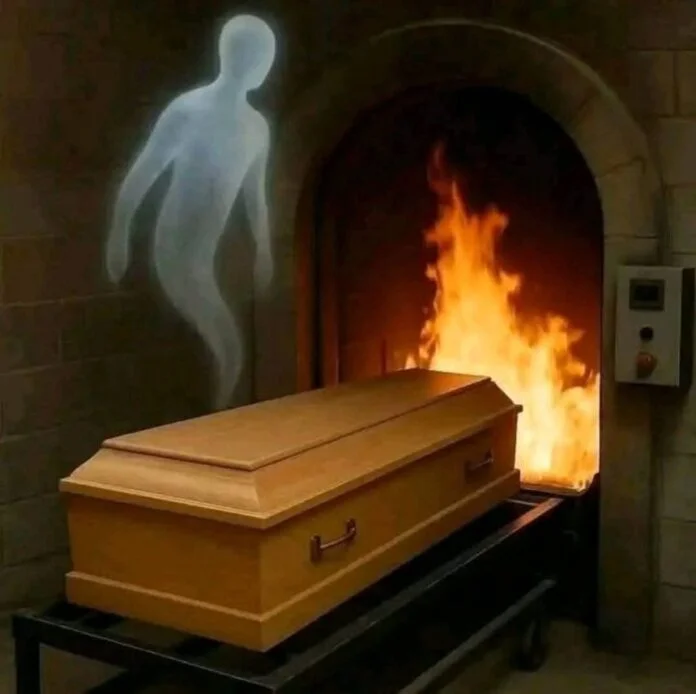
In today’s modern world, cremation has become more common than ever before. For many families, it’s a practical, cost-effective, or even emotionally comforting option. But for countless Christians—especially older believers raised in a tradition of burial—the rise of cremation brings a deeply personal and spiritual question:
Is cremation a sin in the eyes of God?
It’s a question that doesn’t come with a simple yes or no. The Bible doesn’t explicitly condemn or command cremation. Instead, it offers stories, principles, and insights that invite us to reflect—not just on how we die, but on what we believe about the body, the soul, and the promise of resurrection.
Burial in the Bible: A Sacred Tradition
Throughout Scripture, burial is consistently shown as the standard way of honoring the dea. d. From the Old Testament patriarchs to the very Son of God, the faithful were almost always laid to rest in tombs or graves—not burned.
In Genesis 23, Abraham buys a cave to bury his beloved wife Sarah—a gesture of deep respect and permanence. Later, Joseph asks that his bones be carried out of Egypt and buried in the promised land (Genesis 50:25), emphasizing how much burial was tied to faith, hope, and identity.
Even Jesus Himself was buried, wrapped in linen and placed in a tomb. That image—the stone rolled away on the third day—has become the central symbol of resurrection hope for generations of believers.
For centuries, Christian burial mirrored this hope. The words “ashes to ashes, dust to dust” come from Genesis 3:19, which says, “For dust you are, and to dust you shall return.” This passage is often cited at funerals, reminding us of our mortality—but also pointing to the idea that the body, though it returns to the earth, will be raised again.
The Body as a Temple: Why Some Christians Avoid Cremation
One of the most often-cited concerns about cremation comes from 1 Corinthians 6:19, where Paul writes: “Do you not know that your bodies are temples of the Holy Spirit?”
Some believers interpret this to mean that the physical body should be treated with honor—even in dea. *h. They argue that cremation, by its very nature, feels like a destruction of that sacred vessel.
Burial, they say, shows reverence. It places the body gently into the ground, awaiting the promise of 1 Thessalonians 4:16, which speaks of a day when “the de. ad in Christ will rise first.”
From this perspective, burial is more than a tradition—it’s a declaration of belief in the physical resurrection.
